

The Creator Tech Stack:
Hardware & Software
The right tool removes a bottleneck. The wrong one creates one.
Every resource on this page is evaluated on a single metric: operational ROI.
Stream & Video Setup
Technical Infrastructure
Buying gear does not equal making progress. The gaming and streaming industry runs on Gear Acquisition Syndrome – the habit of confusing new equipment with professional growth. Every piece of software or hardware covered here is evaluated on one criterion: does it remove a bottleneck, reduce manual work, or save production time?
A lean, high-performance tech stack outperforms an expensive, bloated one every time. The focus here is on tools that video creators and streamers actually use in production – from capture hardware and audio setups to editing software and stream management systems. Reliability and workflow fit matter more than specs on a box.
Physical & Digital
Two Layers. One Functional Production System.
A professional streaming or video brand does not buy gear for the sake of owning it. Every tool – physical or digital – must solve a specific bottleneck. The infrastructure breaks down into two distinct layers: The Physical Environment (Quality) and the Digital Stack (Efficiency).
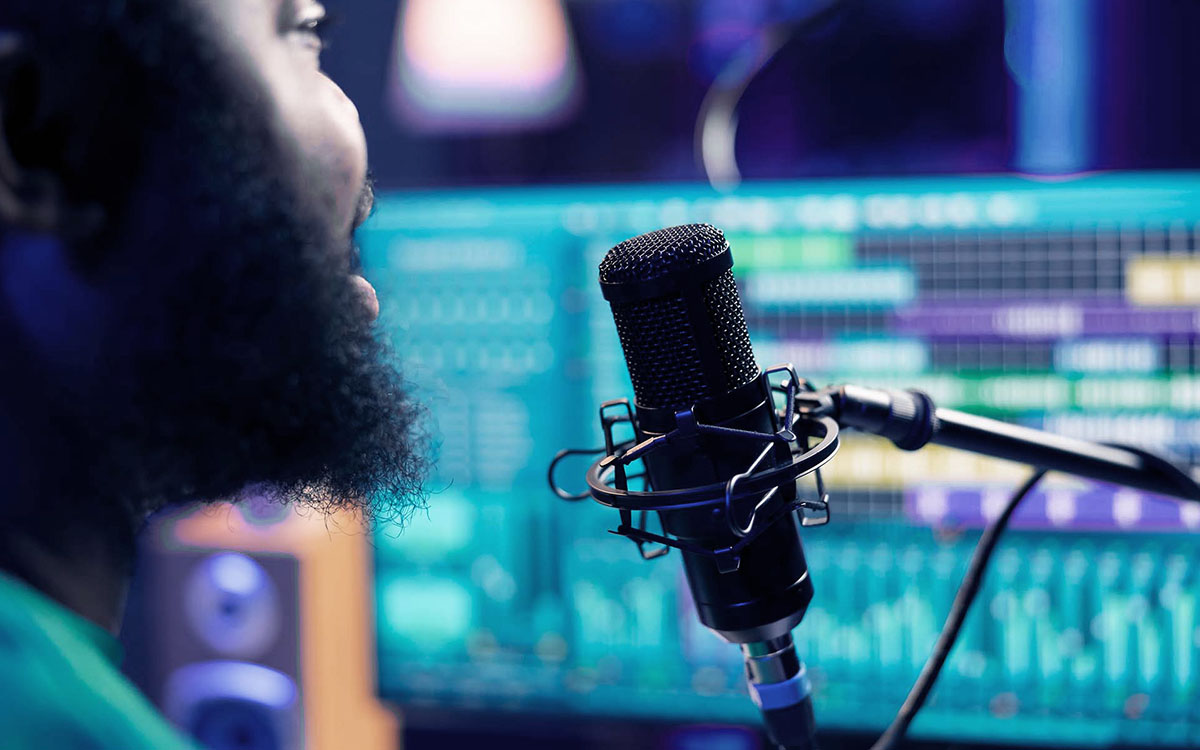
The Physical Infrastructure
The physical environment defines the baseline of your production value. Chasing high-end camera specs is the wrong priority. The physics of sound and light matter more. A controlled recording environment is the foundation of a broadcast-quality signal – and the single biggest factor in how professional a channel looks and sounds to a new viewer.
The 3 Core Categories:
- Acoustics & Audio: Microphone, interface, and room treatment.
- Lighting & Atmosphere: Key light, fill, and background separation.
- Optics & Capture: Camera, capture card, and signal chain.
Explore Hardware Guides
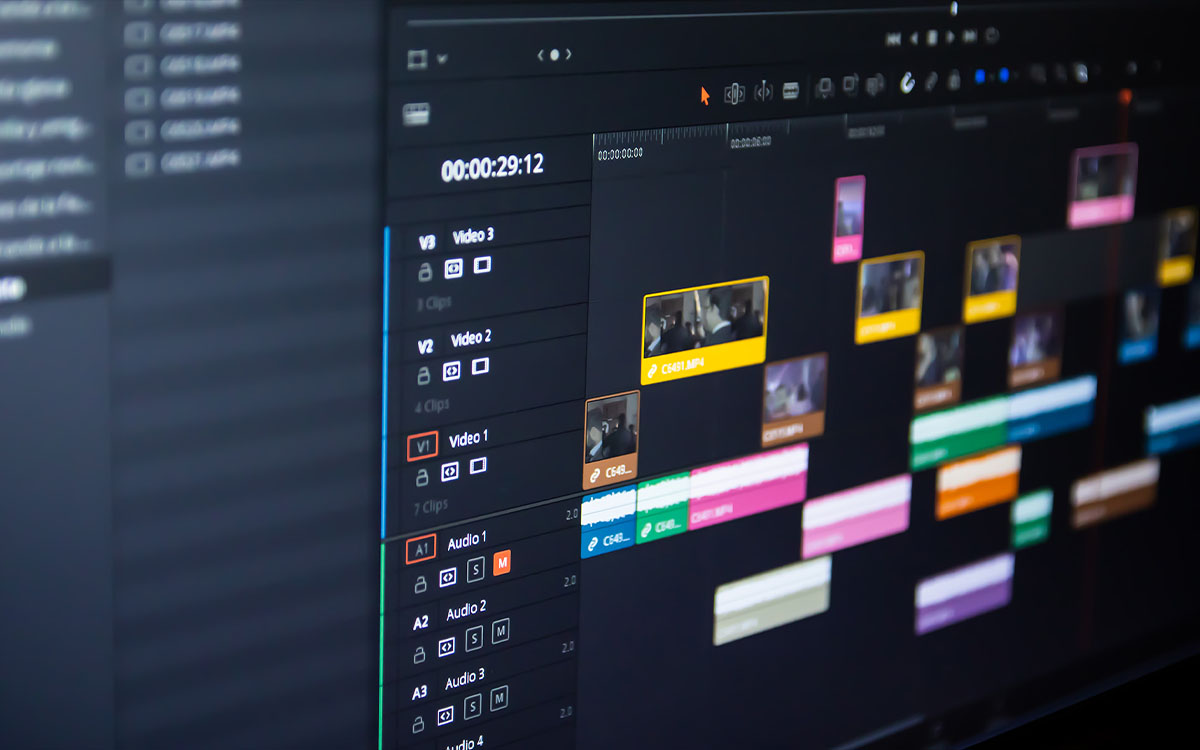
The Digital Infrastructure
The software stack is the operational backbone of a video or streaming brand. The right tools eliminate friction between creative planning and published output. Efficiency here means fewer manual steps, faster turnaround, and more time spent on content – not on managing files or fighting software.
The 3 Core Categories:
- Second Brain: Script planning, scheduling, and asset management.
- Production Engine: Video editing, compositing, and thumbnail design.
- Growth Systems: Stream analytics, VOD performance, and retention tracking.
Explore Software Stack
Practical Insights
Hardware and Software Guides for Creators
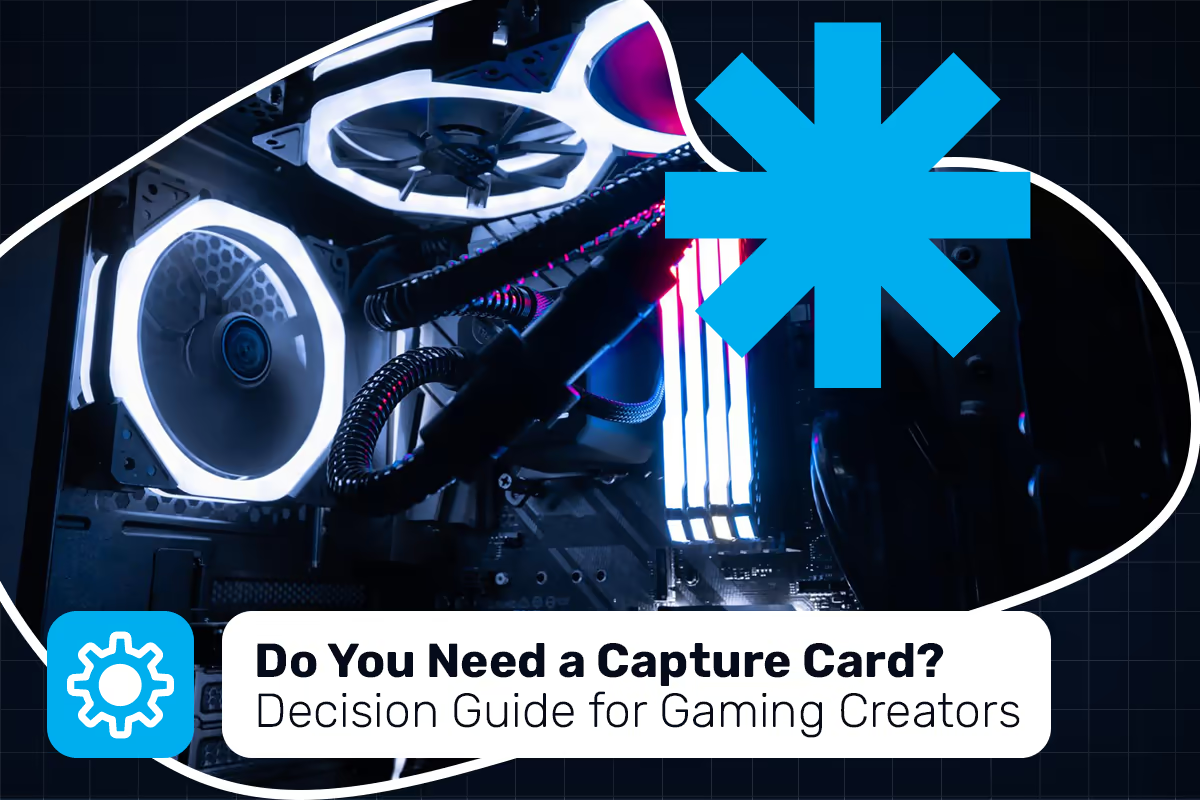
Do You Need a Capture Card? A Decision Guide for Gaming Streamers and Video Creators
A capture card brings the video signal of a second device into your PC. This guide shows which gaming setups need one, which do not, and what to check before buying.
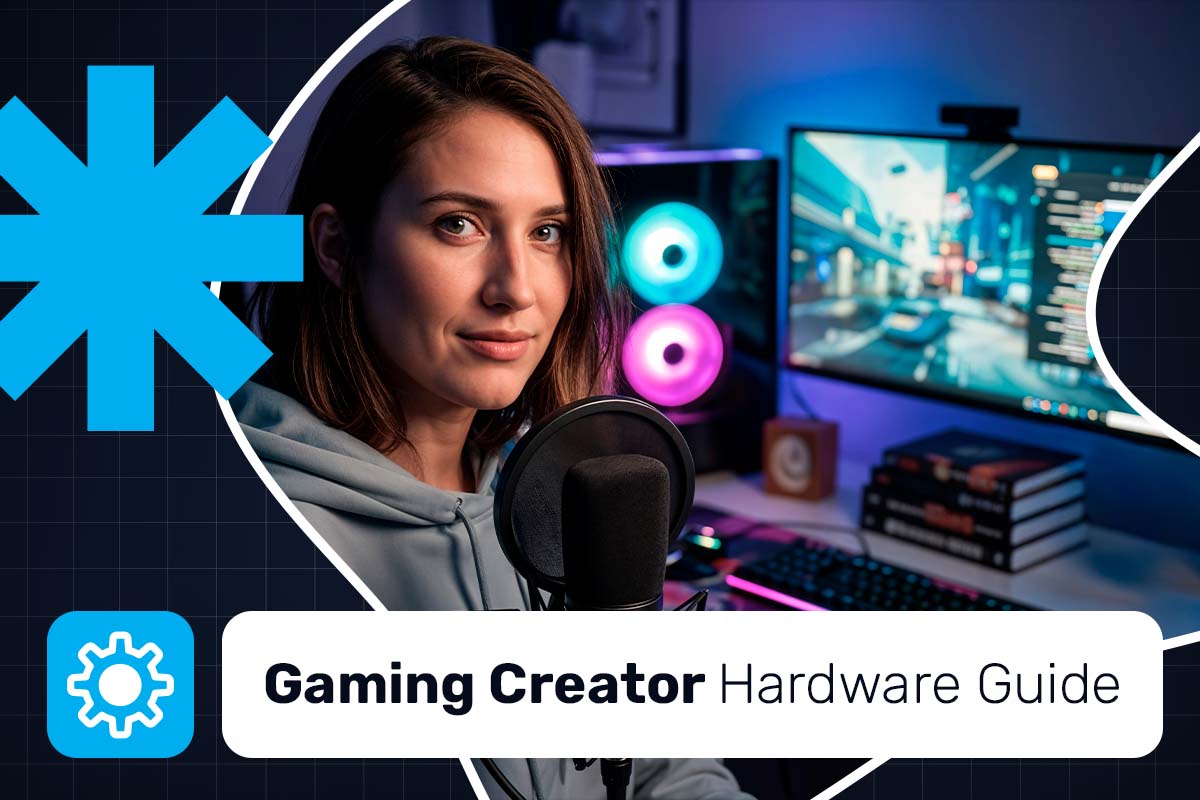
The Gaming Creator Hardware Guide: Build Your Setup in the Right Order
Your hardware determines what your audience sees and hears – before they decide whether to stay. Most creators overbuy in the wrong areas and underinvest where it counts. This guide breaks down the core setup stack for gaming video creators and streamers: what each component does, how the pieces connect, and where to spend your budget first.
Free Download
Audit your full setup – tools, workflows,
and brand strategy.
Workflow Enablers
Frequently Asked Questions
What is the minimum viable setup to start streaming or creating video content professionally?
Three elements define a functional starting point: a stable capture signal, clean audio, and consistent lighting. A mid-range webcam or entry-level camera, a condenser microphone with basic room treatment, and a single key light are enough to produce broadcast-acceptable output. The setup does not need to be expensive. It needs to be controlled and repeatable.
What is the single most critical hardware investment for streamers and video creators?
Audio. Poor video is often read as an aesthetic choice. Poor audio kills retention immediately. Viewers leave content with bad sound within the first few seconds, regardless of visual quality. A broadcast-grade audio setup – microphone, acoustic treatment, and basic gain control – is the first infrastructure investment worth making. Camera upgrades come later.
Can a professional streaming or video brand be built on free software?
Yes. In the creator space, free often means open source – not amateur. The most widely used streaming and video editing tools in the industry are available at no cost. Paid software is only justified when it offers a specific workflow advantage that saves measurable time at the current production volume. Start free, upgrade only when a concrete limitation appears.
Dedicated streaming software vs. open-source alternatives – how do I choose?
The decision comes down to workflow complexity. Open-source streaming software covers the full feature set for most streamers at zero cost. Dedicated paid platforms add value only when multi-platform broadcasting, advanced scene automation, or integrated analytics become operational priorities. Start with the free option and identify the gap before paying for a solution.
How should AI tools be integrated into a video or streaming workflow?
AI works best as an operational assistant, not a creative replacement. High-ROI applications include background noise removal, automatic transcription, chapter generation, and thumbnail testing. Using AI to write full scripts or generate on-stream personality is a strategic mistake. The audience connects with a human voice. Use AI to remove friction from production – not to replace what makes the content worth watching.
Subscriptions are adding up. How do I keep software costs under control?
Run a quarterly audit of the full tech stack. Apply the rule: if a tool is not part of the weekly production workflow, cancel it. Prioritize permanent licenses and lifetime deals where available. Most streamers and video creators overpay for tools they opened twice. Keep the stack lean and functional.
How do I know when a hardware upgrade is actually necessary?
Use the Bottleneck Method. Only invest in new hardware when a specific, recurring problem is blocking production or degrading output quality. A PC that drops frames during capture justifies a hardware upgrade. A new product release does not. New gear solves a defined problem – it does not create better content on its own.
How do I future-proof my setup without overspending?
Buy for the current bottleneck, not for future scenarios. Modular setups scale better than all-in-one solutions – upgrading one component at a time keeps costs predictable. Prioritize tools with long product cycles and strong community support. Gear that is still relevant in three years is a better investment than cutting-edge hardware that becomes obsolete in one.