

Content Systems for
Streamers and Video Creators
Scalable production workflows for gaming videos and live streams.
Consistent output, studio-level quality, no creative burnout.
PRODUCTION SYSTEM
Workflows That Scale
Content creation is the operational core of any serious gaming channel. Relying on daily motivation is a structural risk. Sustainable production workflows replace inconsistent output with a repeatable system. The goal is clear: content delivery that runs independent of personal energy levels, even on low-output days.
Consistent viewer retention starts with technical execution. This section covers hardware setups, audio engineering, and post-production pipelines built for scale. The focus is on producing broadcast-level assets across VODs and live streams, using structured workflows that hold up under a regular publishing schedule.
Content Pipeline
The Production Pipeline
The Production Pipeline turns content creation from a reactive daily task into a structured, repeatable process. It separates four operational phases: strategic blueprinting, pre-production, deep work execution, and asset refinement & distribution. Each phase runs in isolation to eliminate context switching and keep output consistent, independent of daily motivation.

Strategic Blueprinting
Production starts with data, not assumptions. Game releases, patch cycles, and audience demand define the content structure before any recording begins. Only validated ideas move into the plan. Outlining multiple video or stream concepts in a single session prevents wasted decision time later.

Pre-Production
Pre-production turns a validated idea into a finished plan. Scripts, stream outlines, visual templates, and technical setups are ready before recording starts. Video creators write the script and prepare assets in advance. Streamers prepare scenes, titles, categories, and segment structure. This removes setup decisions from the recording session itself.

Deep Work Execution
This phase is pure execution. Creators remove distractions and record in focused, back-to-back sessions: gameplay, camera footage, or live broadcasts. Performing and editing are different modes, so the Broadcaster mindset and the Editor mindset stay strictly separated to protect raw output quality.

Asset Refinement & Distribution
Refinement is the technical polish phase. Standardized checklists cover audio balancing, dead air removal, thumbnail production, and clip selection for Shorts. Pre-built editing templates handle final VOD assembly without rebuilding the process each time.
Distribution follows the same system. Finished videos enter a queue in advance, so publishing is scheduled, not reactive. For streamers, VOD processing, clip distribution, and Short scheduling run as a standardized post-stream checklist.
Practical Insights
Guides for Building a Repeatable Production Workflow

How to Start Creating Gaming Content: Your First Steps
Most beginners buy equipment before deciding what to create or where to publish it. This guide covers the four decisions that come first: content type, platform, niche timing, and channel setup.
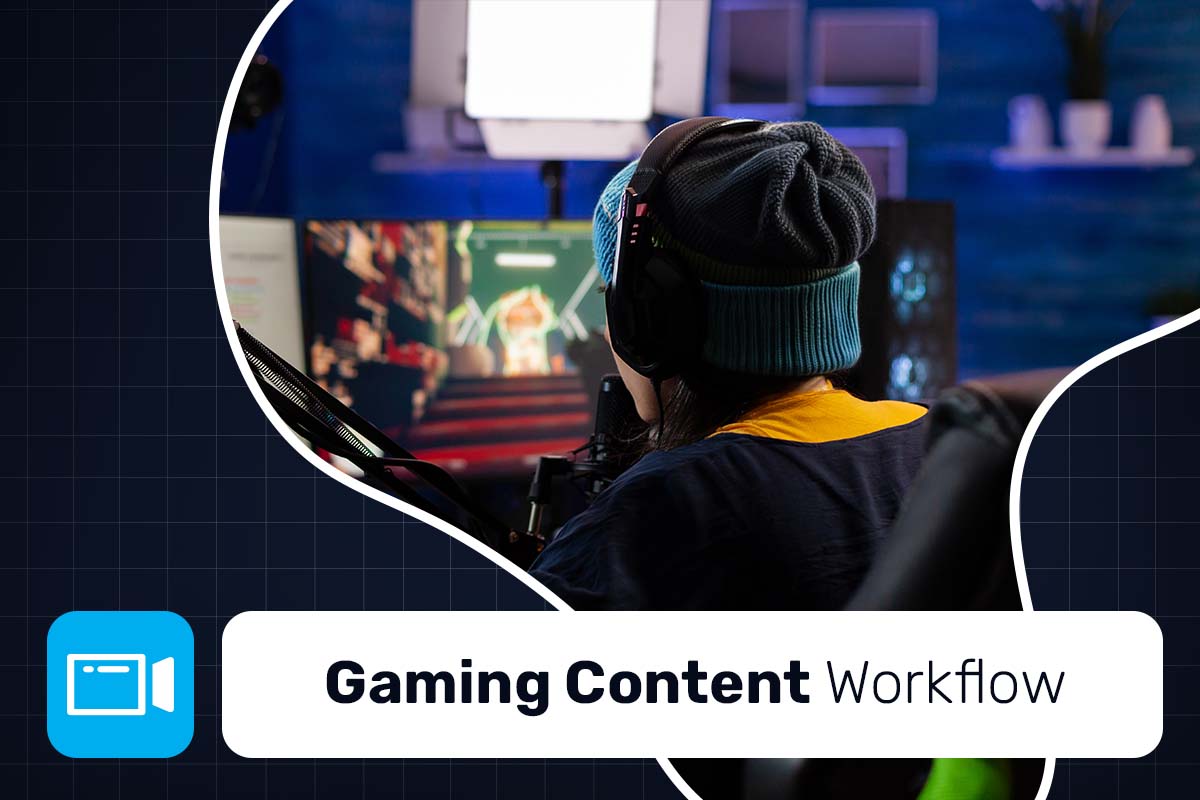
Gaming Content Workflow: Building a Scalable Production Engine for Video Creators and Streamers
In a market where upload frequency, production quality, and platform consistency determine channel growth, relying on daily motivation is a structural liability. Gaming video creators and streamers who want to build sustainable channels replace raw effort with standardized production pipelines. A scalable content workflow is not a productivity trick – it is the operational foundation of a professional gaming brand.
Free Download
Check if your workflow
is actually built to scale.
Operational Reality
Frequently Asked Questions
Does upload frequency determine algorithmic reach?
No. Platforms reward consistent activity, but penalize low viewer retention. Uploading low-quality content daily trains the audience to ignore the channel. Predictability outperforms raw frequency. A sustainable weekly schedule builds more channel authority than an inconsistent daily output.
Should publishing wait until production quality reaches a professional level?
No. Technical perfection and strategic value are separate problems. Start publishing with the current setup. Clear audio and consistent commentary matter more than camera quality at this stage. Hardware upgrades are incremental. Audience growth is not retroactive.
Does better hardware directly improve channel growth?
No. High-end hardware is a technical multiplier, not a strategic foundation. A $2,000 camera will not fix a boring live stream or a poorly edited video. Invest in premium gear only when your existing production pipeline is fully optimized and your content is already retaining viewers.
Is variety content a viable strategy for early-stage channels?
Not at the early stage. Platforms need consistent data to categorize and distribute a channel. Mixing genres across uploads sends conflicting signals to the algorithm and the audience. A single game or tight niche is the correct starting position. Variety content becomes viable only after the channel has established clear authority.
How do gaming creators maintain a consistent output with an unpredictable schedule?
Through batch production and scheduled publishing. Recording multiple videos or planning several stream outlines in a single deep-work session removes the dependency on daily motivation. Scheduling tools automate the distribution side. The result is a content output that runs independently of short-term capacity.
Can raw Twitch VODs be repurposed directly as YouTube content?
No. Live broadcasts and YouTube videos serve different audience intents. Raw stream archives produce low viewer retention on VOD platforms. Repurposing a stream requires editing it into a structured, high-paced video: dead air removed, context added, custom thumbnail designed.
Why does a gaming video get low impressions despite regular uploads?
Low impressions are a signal, not a cause. Click-through rate (CTR) and average view duration (AVD) are the two metrics that drive platform distribution. If viewers skip the thumbnail or exit the video within the first ten seconds, the platform reduces reach. The fix starts with strategic blueprinting and video packaging, not upload frequency.
How do gaming creators measure whether their production pipeline is working?
Three metrics indicate a functional pipeline: publishing consistency, average view duration, and audience retention rate over time. If uploads go live on schedule, viewers stay through the content, and the subscriber base grows at a predictable rate, the pipeline is performing. Tracking these numbers monthly reveals whether the problem is strategic, technical, or operational.